
The June 2026 Periclean
Sharing updates and stories from our network of civic champions.

From Periclean Faculty Leader to President
In the late 2000’s, a Rhodes College professor took students in his “Death and the Afterlife” course to Zion Cemetery, a long-forgotten African American burial ground in Memphis, to help restore it. At Allegheny College, a professor reworked his “Environmental Geology” class to engage students in examining water and its effects on community health.
Today both are college presidents: Milton Moreland at Centre College and Ron Cole at Allegheny College. The community-engaged teaching they did as faculty continues to shape how they lead.
As part of our 25th Anniversary Campaign, we’re spotlighting their stories in a two-part series. We begin with President Moreland.
How Restoring a Memphis Cemetery Shaped Milton Moreland's Path to Leadership
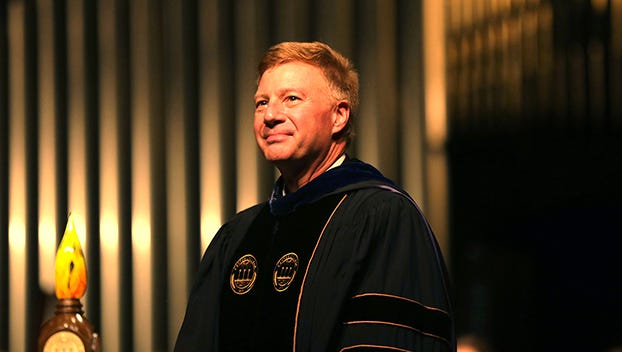
When Milton Moreland joined as a faculty member at Rhodes College, Zion Community Cemetery was off the map—literally. Most modern maps lacked a marker for the location. This first post-Civil War African American Cemetery in Memphis spans 17 acres in the heart of Memphis and contains over 40,000 burials.
During those years, then-Professor Moreland volunteered during his weekends mowing and cleaning the cemetery. Soon, he realized there was a learning opportunity for his students to “take responsibility for where you live and the community.”
The challenge was that there wasn’t a clear connection to the courses he was teaching. So when he learned about a small grant program supporting faculty to integrate coursework with meaningful engagements outside of the classroom, he jumped at the opportunity–and was funded by Project Pericles with a Civic Engagement Course Grant (now called the Periclean Faculty Leadership Grant).
“Building the course with the help of Project Pericles was like that next step of connecting the dots between my teaching and scholarship on ancient religions, world religions, myth, and ritual—and an actual hands-on project that was a few miles away from campus,” he says.
In the Spring of 2011, he created the course Religious Studies 286: Death and the Afterlife and joined the first cohort of Project Pericles’ program. Students conducted analyses of ritual studies, history, and archaeology, going deeper into exploring the practices related to death in modern America.
In this edition, we’ll be covering:
Sanda’s Visit to the National Summit on Civic Education
Civic Story Lab Closing Program
Community Conversation Recap
Partner Spotlight: Imagining America
Periclean Thought Leadership
Staff Reads
Sanda’s Visit to the National Summit on Civic Education
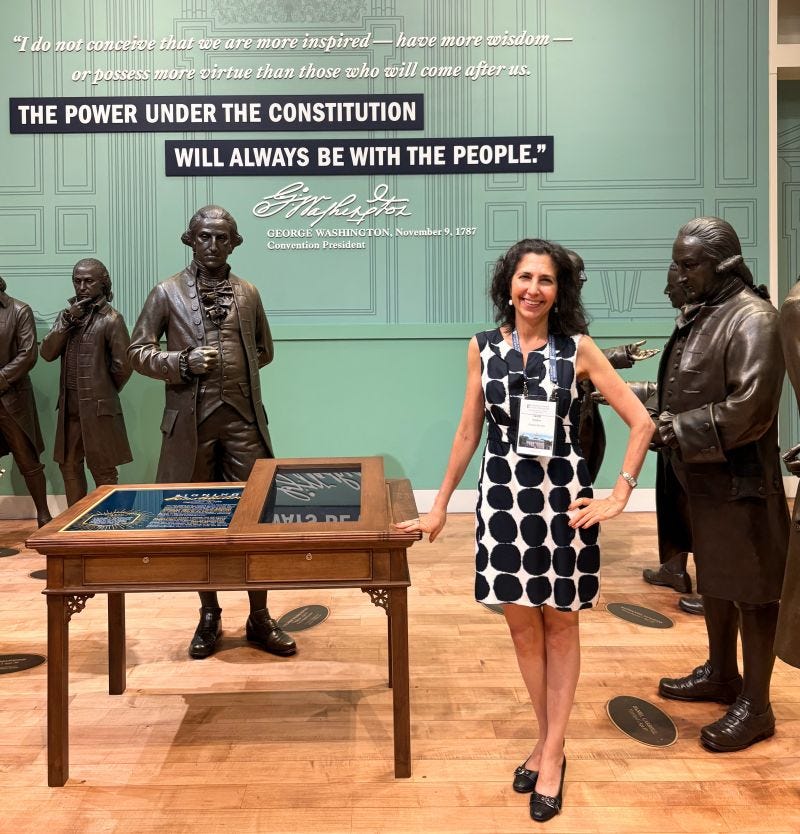
Project Pericles’ Executive Director, Sanda Balaban, recently attended the Jack Miller Center National Civic Summit, “Words That Changed the World: America at 250,” in Philadelphia. The event brought together more than 300 civic educators, scholars, funders, and nonprofit leaders to explore questions about American civic identity, founding documents, and civic education.
A framing that particularly resonated: Historian Beverly Gage argued that “it should be possible to know our country’s history fully—all of it—and still love our country. We need to put the pieces back together.”
Many sessions connected directly to Project Pericles’ work. Speakers stressed that civic education should include literature, difficult questions, and open discussion. Andrew Delbanco of the Teagle Foundation described the Declaration of Independence as both a political and literary text and argued that literature helps us confront America’s unresolved contradictions. A panel on higher education also shared practical ideas for creating classrooms where students can read deeply, think seriously, and engage in meaningful discussion across differences.
These ideas align with Project Pericles’ goals—and some of the as-yet-unrealized aspirations of the higher ed sector. The Summit reinforced the value of work that combines rigorous humanistic inquiry with public purpose, community engagement, and sector collaboration.
Civic Story Lab Closing: Sharing Co-Created Community-based Stories
Our Civic Story Lab’s Closing Program brought together students, faculty, staff, community partners, and friends from the Periclean network and beyond to celebrate a semester of collaborative storytelling.
The two-hour virtual gathering opened with an interactive energizer led by Jon Adam Ross of the Inheritance Theater Project, who encouraged participants to reflect on the power of storytelling to build empathy, strengthen relationships, and sustain community, encouraging participants to reflect rigorously on how their respective paths to this work.
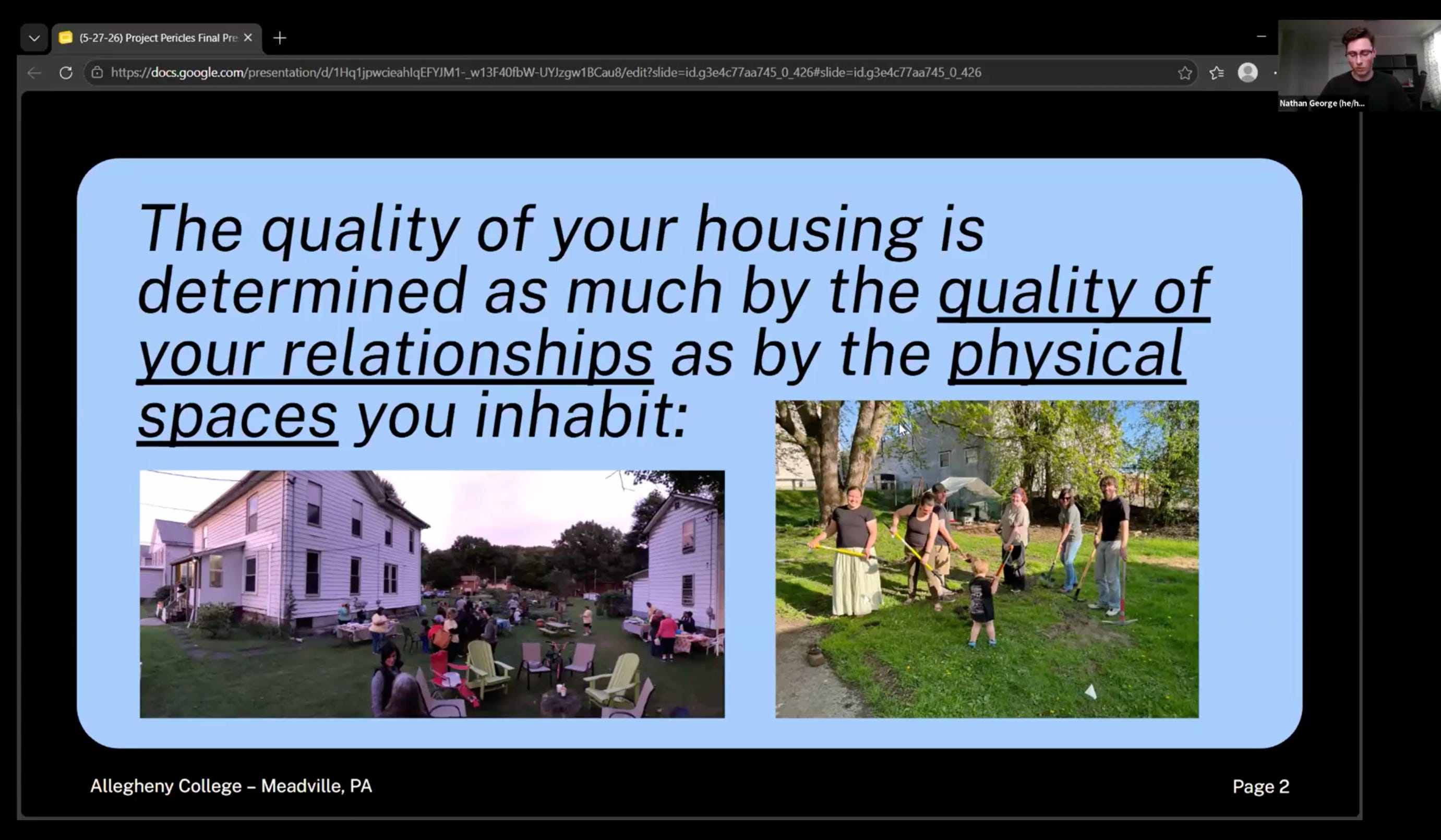
Once thoroughly energized, we welcomed attendees to the public showcase, emphasizing higher education’s responsibility to serve the public good and highlighting the Civic Story Lab as a vital space where campuses and community partners work together to amplify stories that too often go unheard.
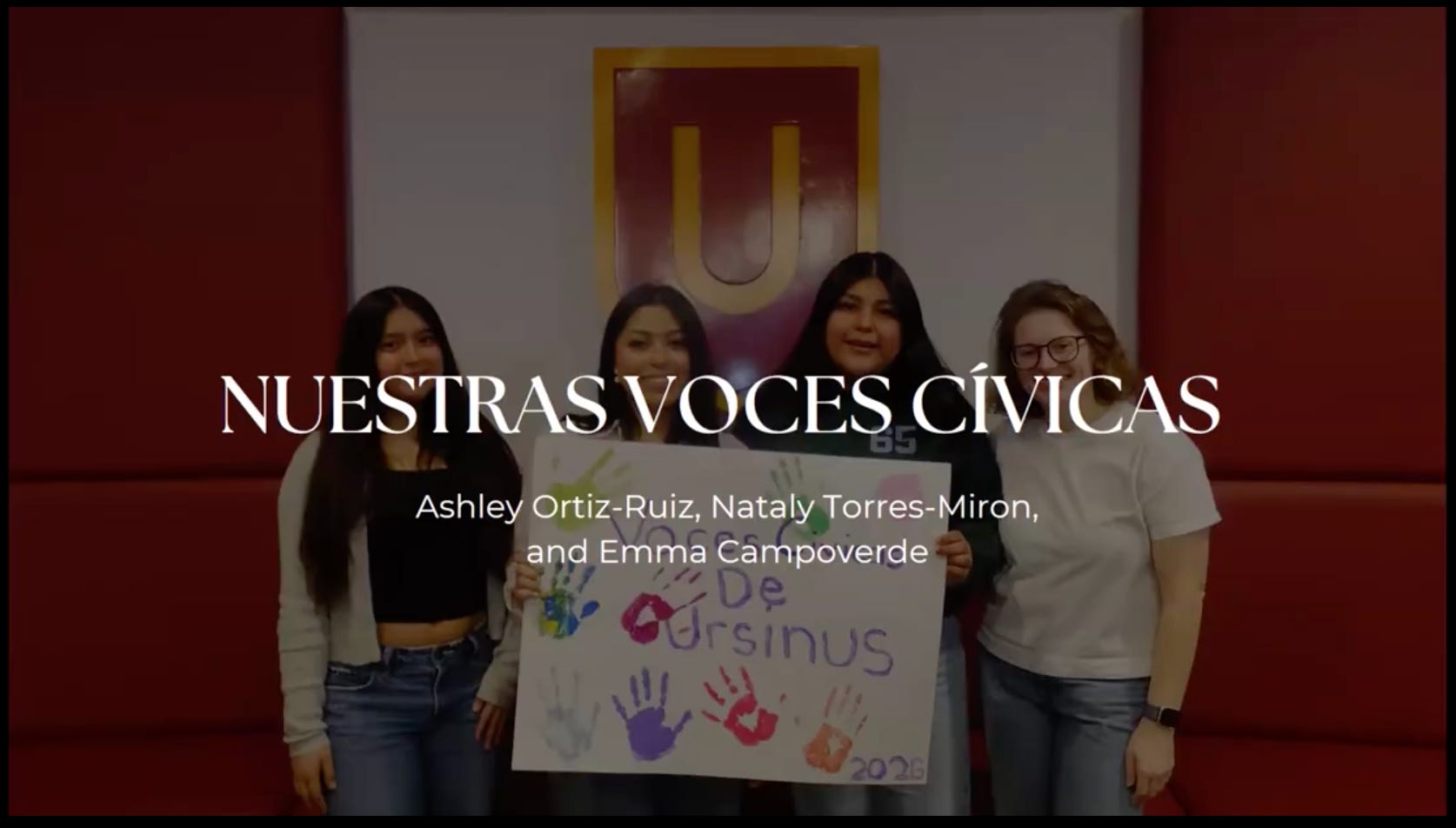
Throughout the showcase, seven campus teams from Allegheny College, Bethune-Cookman University, Hampshire College, Macalester College, Pace University, Skidmore College, and Ursinus College shared projects addressing topics such as youth empowerment, food sovereignty, advocacy, immigrant communities, and civic participation.
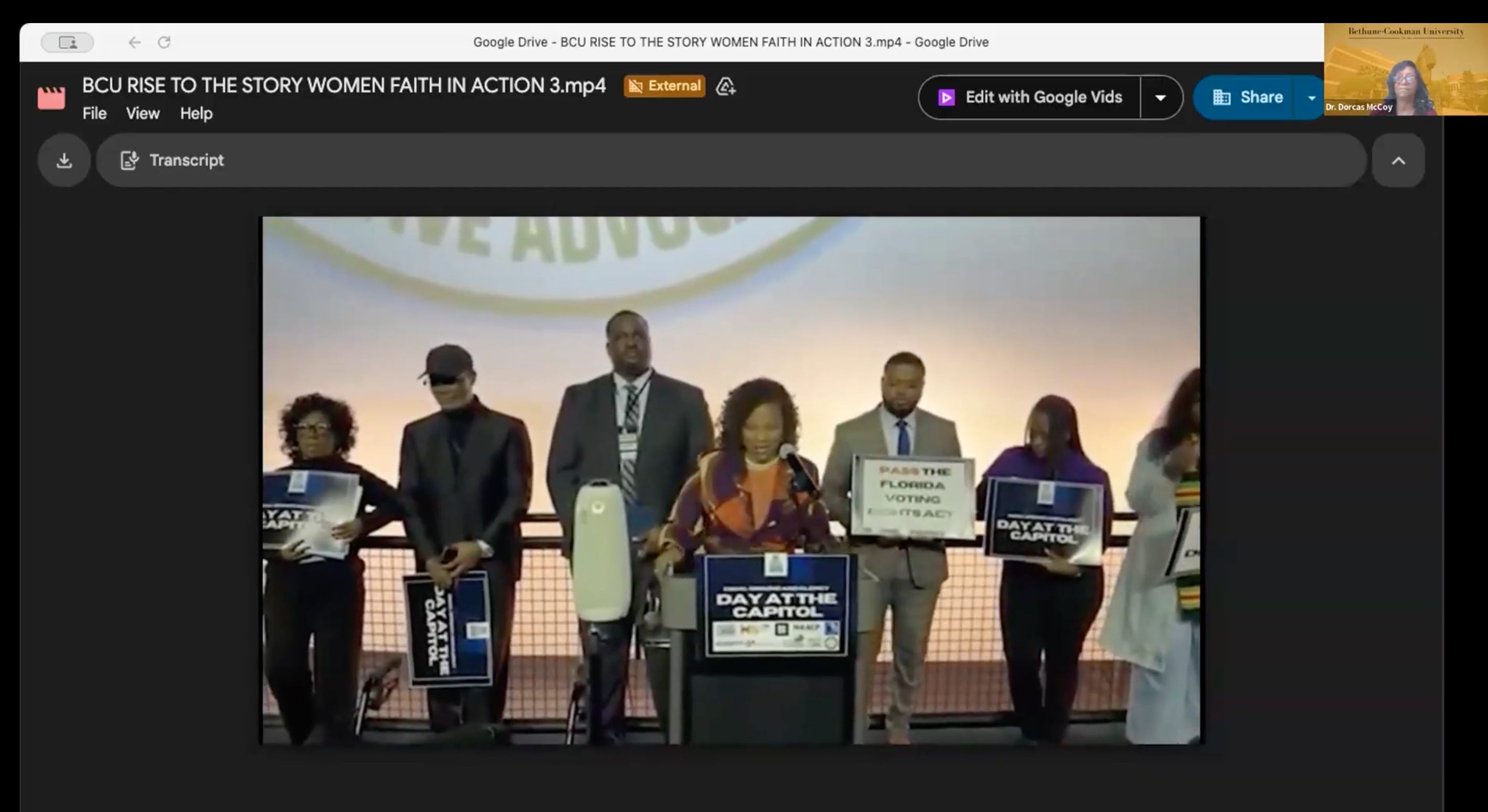
The presentations invited active audience participation through “Gifts and Glows,” a feedback activity designed to offer both affirmation and practical support to campus teams as they continue developing their work.
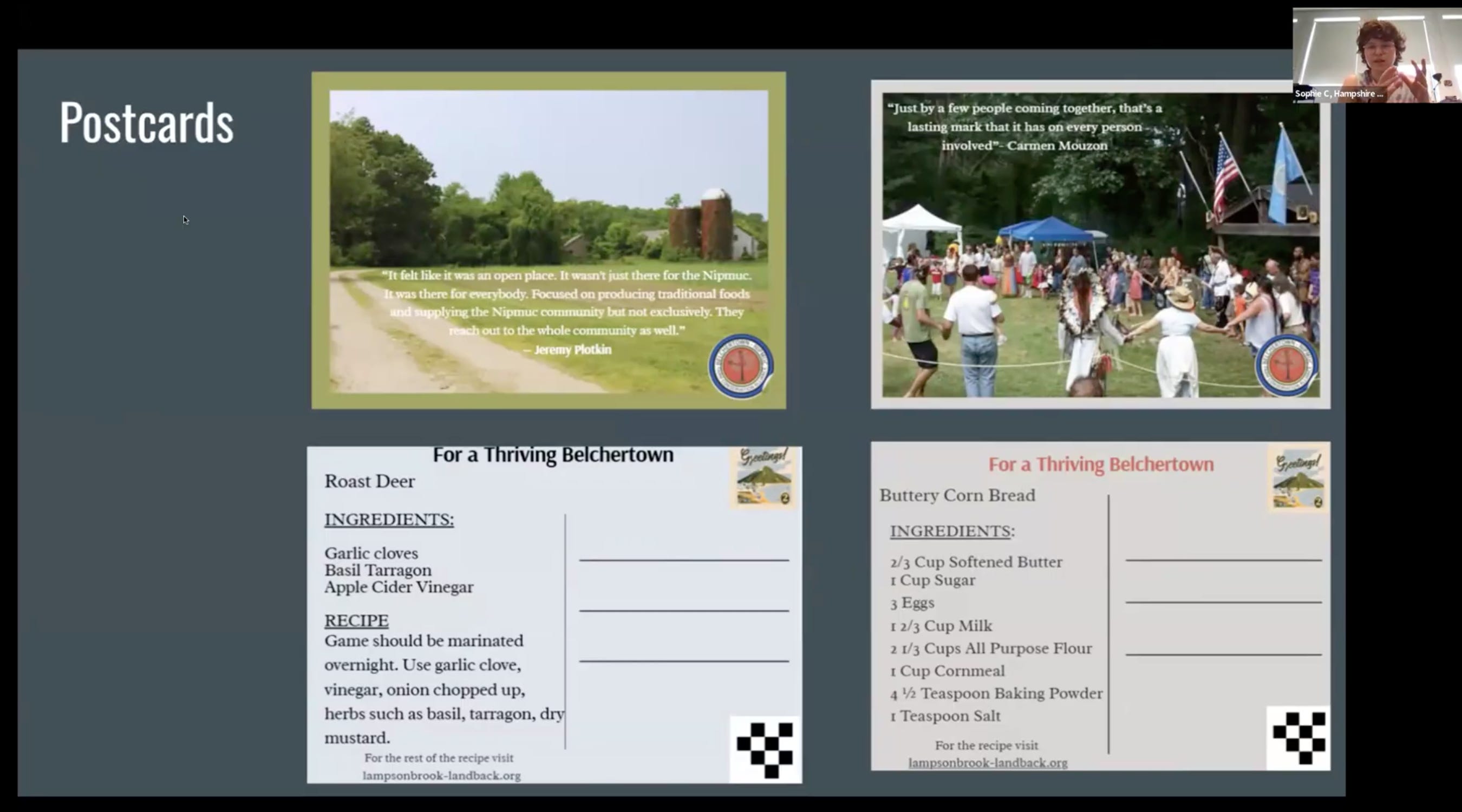
Notably, participants reconvened as a full group to watch Hampshire College’s presentation, honoring the sunsetting institution’s longstanding commitment to civic learning and its historic role within Project Pericles.
The program concluded with a reflection and poetry synthesis activity led by acclaimed poet Mahogany L. Browne, whose collaborative cento poem, crafted in real time during the session, captured recurring themes of resilience, partnership, storytelling, and collective flourishing.
Across the afternoon, storytelling emerged as a form of civic power,
capable of documenting community wisdom, strengthening democratic engagement, and imagining more connected futures.
You can watch the Full Program, which includes presentations by Allegheny, Bethune-Cookman, Macalester, and Hampshire, as well as the Break-Out Presentations, led by Pace, Skidmore, and Ursinus.
Community Conversation Recap
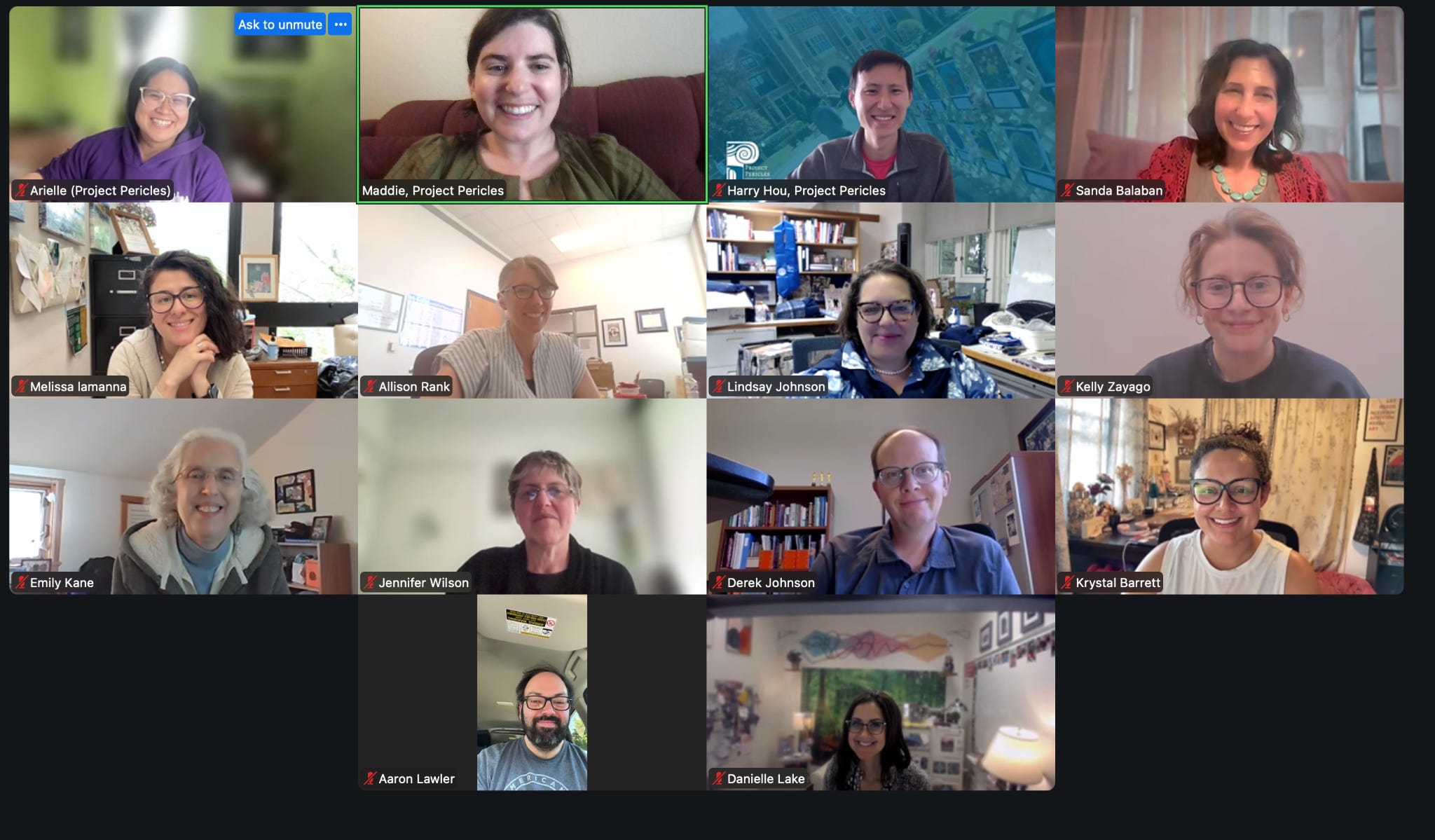
During our May Community Conversation, we were joined by colleagues from across the Periclean community. They reflected on innovative civic engagement projects, student leadership initiatives, and the evolving challenges of supporting student learning and participation from the past semester.
We learned about projects ranging from civic culture design labs and storytelling projects to community-engaged courses and counter-storytelling initiatives. Notably, all were centered on creating meaningful opportunities for students to build relationships, confidence, and civic agency.
A recurring theme was the tension between providing structure and preserving student ownership, particularly as participants observed changing student needs and comfort levels around ambiguity and collaboration since the pandemic. Several members noted generational shifts in how students engage with difficult conversations and community work.
The discussion highlighted collective interest in strengthening systems for support and reflection. A fitting close for our spring grant period.
Partner Spotlight: Imagining America
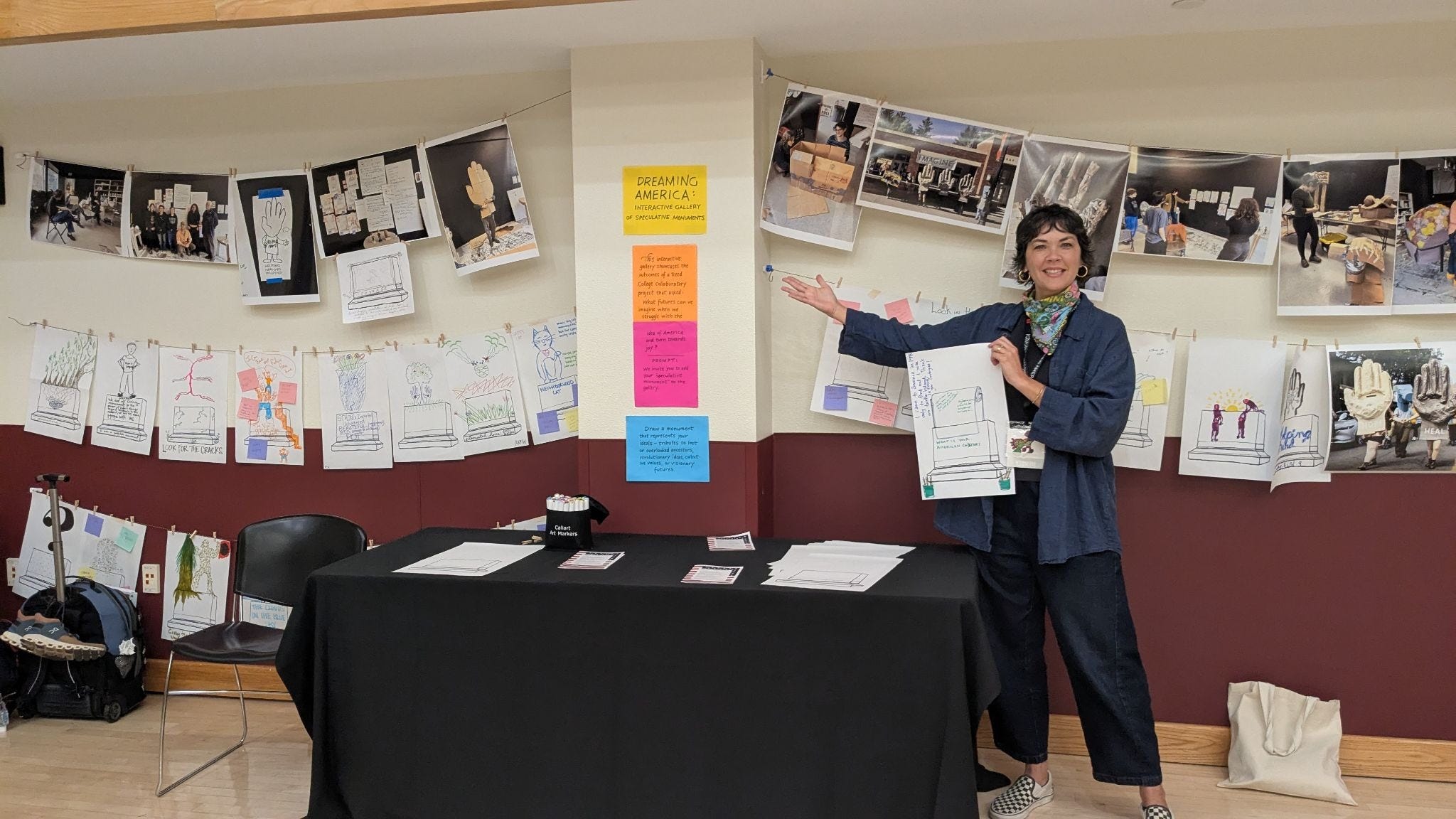
Our friends at Imagining America are calling for participation in their 2026 National Gathering, with the theme “Tides of Transition: Restoring Collective Spirit in Troubled Times.” Project Pericles Board Member Paul Schadewald chairs the advisory board, which also includes Bates College Project Pericles Program Director Darby Ray. Learn more about submitting a proposal to the 2026 IA National Gathering on their website. Proposal submissions are due June 30, 2026.
Periclean Thought Leadership
State of the Student Vote: From the ballot box to a career: What do we know about the long-term impacts of student civic engagement work?
Jason Vadnos, Civic Impact Assistant (Project Pericles)
Project Pericles’ Jason Vadnos recently published a new essay in State of the Student Vote, arguing that student voter engagement programs may have lasting impacts beyond turnout by helping shape future civic leaders. The piece also called for more research into how campus democracy work influences students’ long-term careers and civic identities.
Rutgers Democracy Lab Spotlights Civic Impact at Inaugural Showcase
Arielle del Rosario, Associate Director (Project Pericles)
Project Pericles Associate Director and Rutgers alum Arielle del Rosario ’12 attended Rutgers Democracy Lab’s inaugural showcase, which highlighted expanding civic learning and public problem-solving initiatives across campus. Arielle was quoted for their observation of universities serving as “lighthouses” for democratic engagement.
Cal Matters: ‘Feels like erasure’: Why Native American students may be undercounted by 90% in California schools
Celestina Castillo, Program Director (Occidental College)
Periclean Program Director Celestina Castillo was featured in an article about California’s student data collection practices after learning her children’s Native American identity was effectively erased in school records.
Harward Center Recognizes Bates Professor Emily Kane
Emily Kane, Periclean Faculty Leader (Bates College)
Bates College Periclean Faculty Leader Emily Kane was recognized with the 2026 Harward Center Faculty Award for Outstanding Community Engaged Work, highlighting her longstanding commitment to community partnerships and democratic engagement that connect students with meaningful civic learning across Lewiston-Auburn and Maine.
MPR News: The role of a liberal arts education in a changing world
Suzanne Rivera, President (Macalester College)
Macalester College President Suzanne (Sue) Rivera joined Minnesota higher education and business leaders for an MPR News discussion on the future of liberal arts education, emphasizing its role in preparing students for lifelong career adaptability and civic engagement in a rapidly changing world.
What Staff are Reading
Sanda (Executive Director) is reading Lisa Kay Solomon’s How We Future Substack and listening to the related podcast, which treat shaping futures as a deliberate, optimistic practice, a frame she is bringing to current challenges as well as questions about higher education’s longer horizon.
Arielle (Associate Director) is reading Gabe Fleisher’s Wake Up to Politics Substack, specifically his thought-provoking article, “Why We Need a Fourth Branch of Government,” for creating more accountability and restoring trust within our current political system.
Harry (Civic Impact and Communications Coordinator) is reading Yu Hua’s To Live, a novel whose protagonist confronts the vicissitudes of 20th-century China while caring for his family.
Maddie (Program and Design Specialist) is reading Pope Leo XIV’s encyclical letter, Magnifica Humanitas: On Safeguarding the Human Person in the Time of Artificial Intelligence, which positions human dignity as the core benchmark for technological advancement amidst the rapid rise of artificial intelligence, robotics, and digital technocracy.
Jason (Civic Impact Assistant) is reading Charles Van Doren and Mortimer J. Adler’s How to Read a Book, a practical guide to analyzing, interpreting, and learning from great texts of all genres and time periods.