
The July 2026 Periclean
Sharing updates and stories from our network of civic champions.

In Service of Students
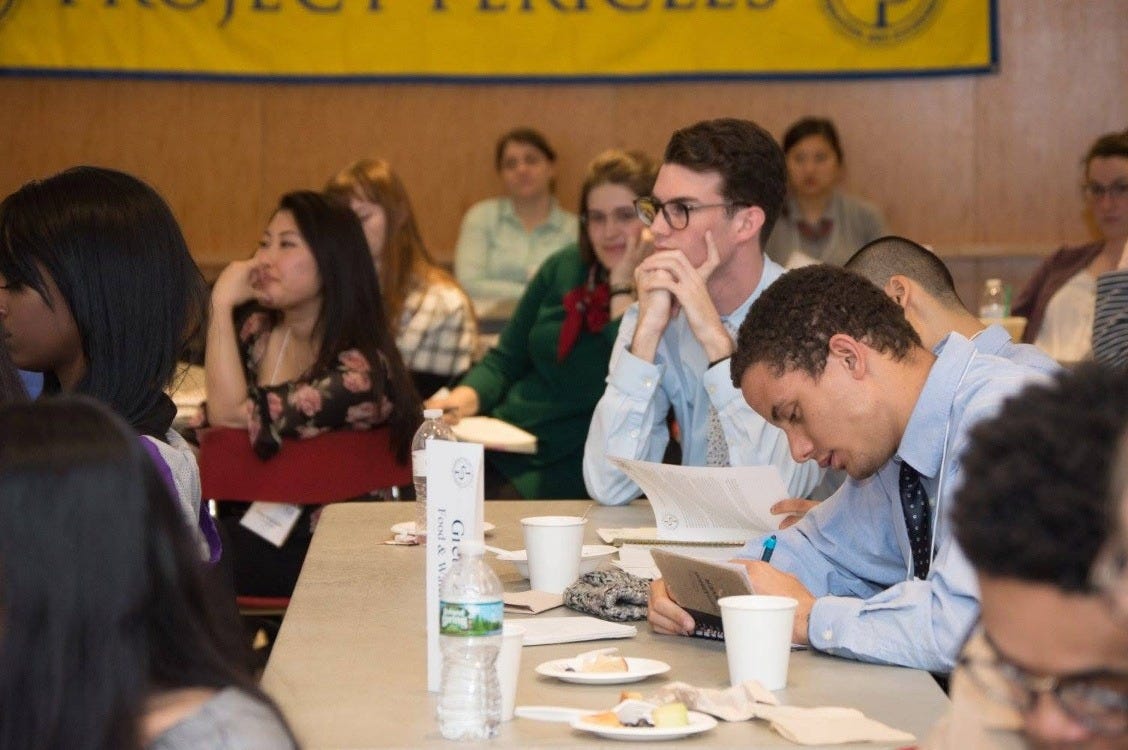
“Still in the top five most impactful experiences I’ve had in leadership development.”
That’s how James Williams remembers the 2017 Project Pericles Debating for Democracy National Conference, where he represented Goucher College as a sophomore. Nearly a decade later, he says it also “cemented my life-long call towards bolstering my community.”
James is not alone.
While our early programs largely focused on developing faculty who were interested in bringing civic learning into their classroom, including college presidents Ron Cole (Allegheny College) and Milton Moreland (Centre College), our work has ultimately always been in service of supporting students.
We know that civic learning programs at their best create ripe opportunities for students to flourish: intellectually, professionally, and civically. As we continue to highlight our work from the past twenty-five years, we offer a reflection on how Project Pericles’ programs have affected thousands of students nationwide.
Whether through Debating for Democracy (D4D), our Mini-Grants, Student Voices Student Choices, or the Civic Story Lab, our work over the years has created numerous pathways for weaving community-engaged civic learning into the fabric of our higher education institutions.
We invite you to learn more about them, and how they have touched thousands of students like James.
In this edition, we’ll be covering:
Reflections on our Namesake
Meeting Our Summer Interns
Bonner SLI 2026 Recap
Periclean Thought Leadership
Upcoming Events
Staff Reads
Why Pericles? Reflecting on Our Namesake
As we celebrate Project Pericles 25th anniversary this year, alongside the United States’ sesquicentennial, it is more important than ever to revisit the legacy of the “founder of Western democracy” himself: Pericles.
Last week, we published the first of two guest articles about Pericles written by Joanna Kenty, a classics scholar, civic educator, and contributor-editor for Danielle Allen’s The Renovator. In this piece, she explores the complicated legacy of the Athenian general and the lessons it holds for the democratic challenges of our present moment.

Additionally, we are honored that Stephen Lang, known to millions for his role as the central antagonist in James Cameron’s Avatar films, has made a new audio recording of Pericles’ renowned Funeral Oration for our community. This work is deeply meaningful to him, as he is not only a celebrated actor, but also the son of Project Pericles’ founder, Eugene M. Lang. Pericles’ Funeral Oration, delivered in 431 BCE and transcribed by the historian Thucydides, is one of the founding texts of democratic thought, elucidating what democracy asks of its citizens and what it owes them in return.
These pieces are now permanently housed on our website in a new “Why Pericles?” page.
Meet Our Summer Interns
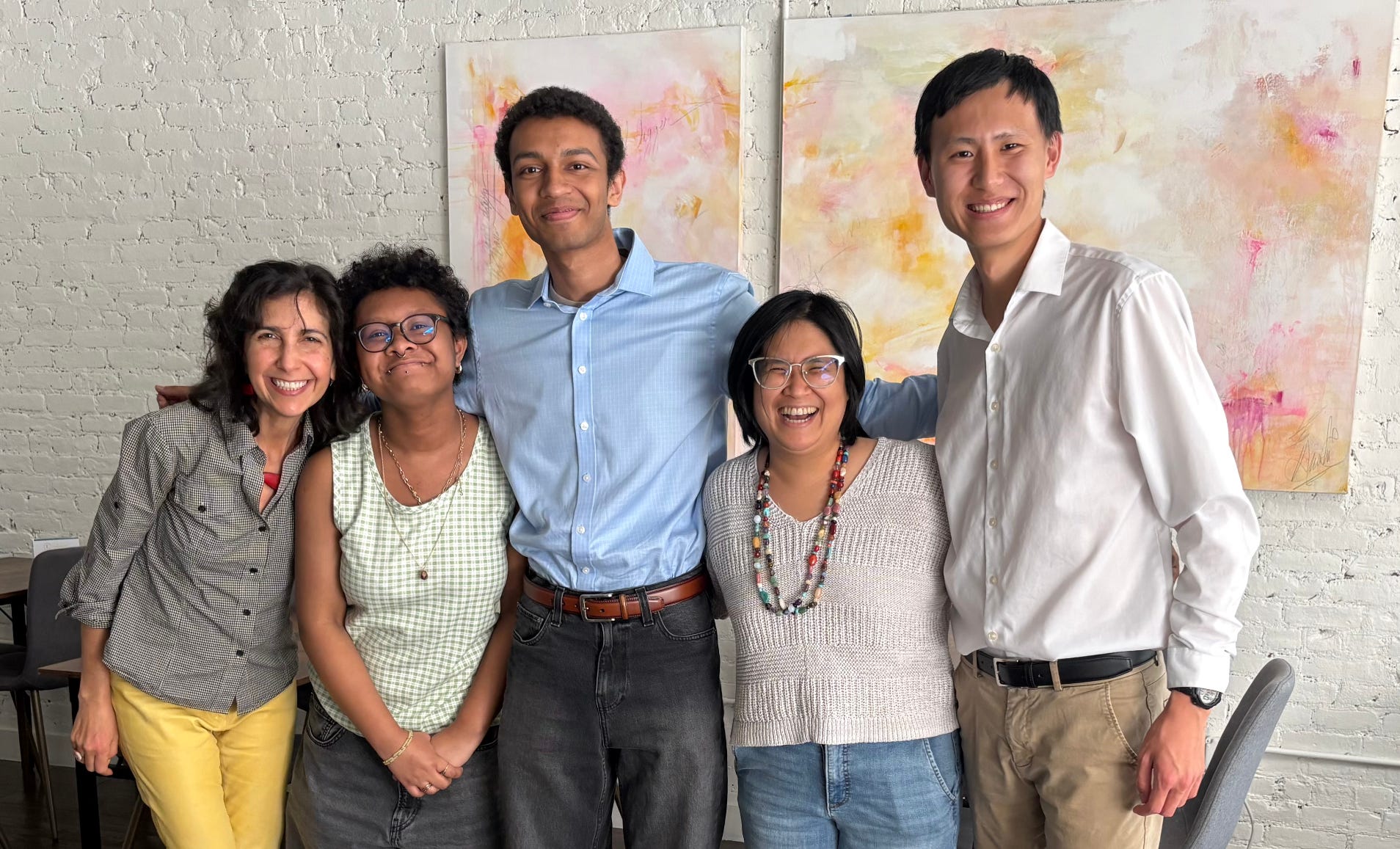
We’re delighted to introduce our Summer Interns for this summer, Terry Cai and Reyhan Sanchez. Since 2018, Project Pericles has partnered with Prep for Prep to provide current college students with an eight-week opportunity to deepen their understanding of higher education and civic engagement.
Terry Cai, a psychology major from Connecticut College, is supporting our communications strategy. Terry is expanding his abilities to interface with different stakeholders across our field, and is learning more about how faculty and students can shift campus culture.
Reyhan Sanchez, a data science student at Tufts University, is applying his expertise to help update our technical systems. Reyhan is sharpening his evaluation design skills and learning to translate qualitative and quantitative data into demonstrations of civic impact.
We’re thrilled to support them as they expand their networks, grow professionally, and contribute to our mission.
Recap: Bonner Summer Leadership Institute 2026
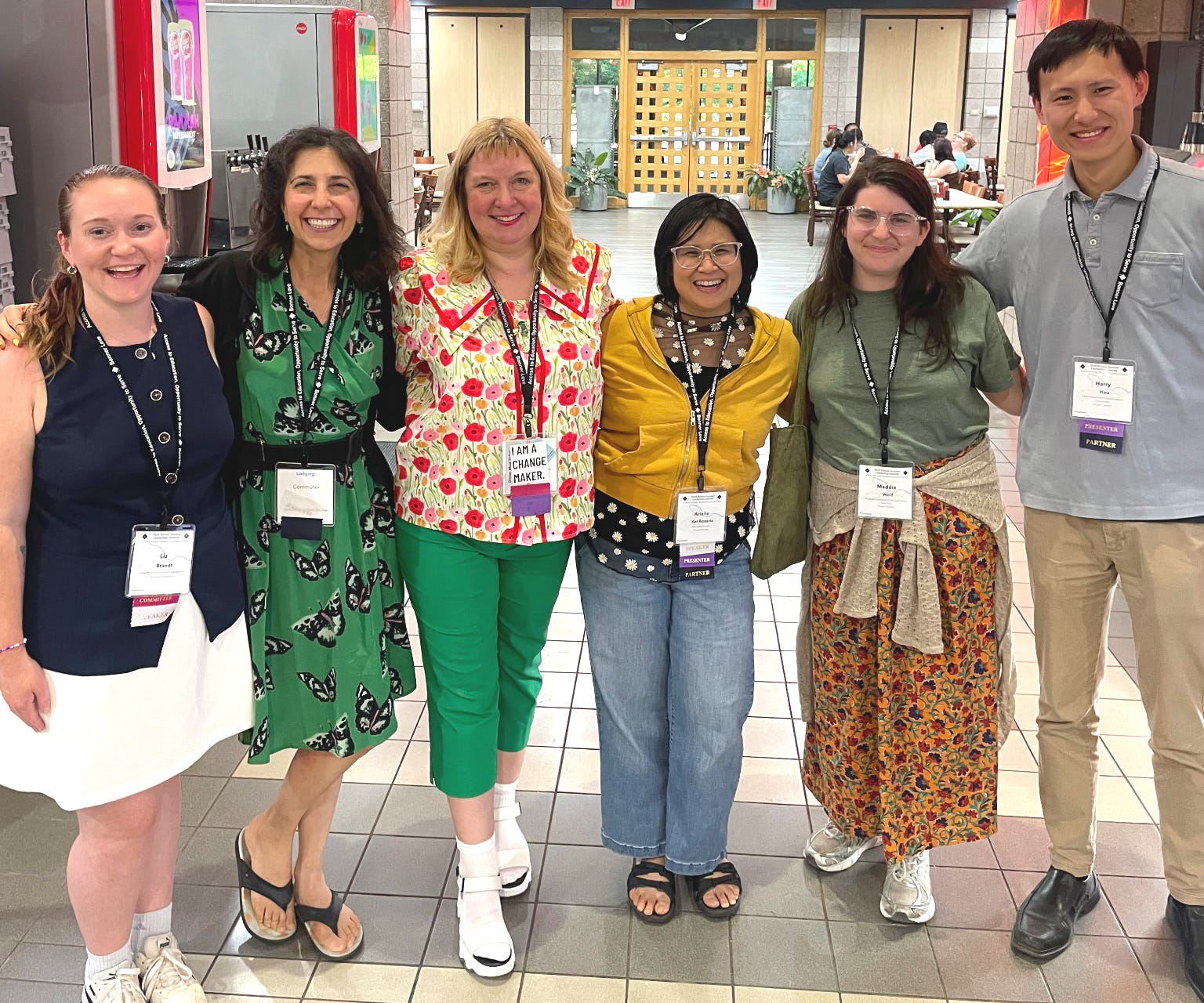
Last month, Project Pericles staff joined students, administrators, and civic leaders from across the country for the 2026 Bonner Summer Leadership Institute at Rutgers University–New Brunswick, taking part in several days of learning, reflection, and connection.
The Summer Leadership Institute opened with “The Democracy We Need: 250 Years Later,” a plenary conversation examining the state of American democracy as the nation approaches the 250th anniversary of the Declaration of Independence. Our very own Arielle del Rosario, Associate Director of Project Pericles and a Rutgers–New Brunswick Bonner alum, joined Nick Longo, Director of the Rutgers Democracy Lab at the Eagleton Institute of Politics, and Christopher Godoy, Bonner Leader and Student Government Association President at Rutgers–New Brunswick in leading this session. The plenary was emceed by Liz Brandt, Director of Community Engagement at the Bonner Foundation.
Drawing on their experience as a Bonner Leader at Rutgers, Arielle explained how community-engaged learning helps connect direct service with larger systemic issues and deepens students’ understanding of the relationship between service, public policy, and democratic participation.
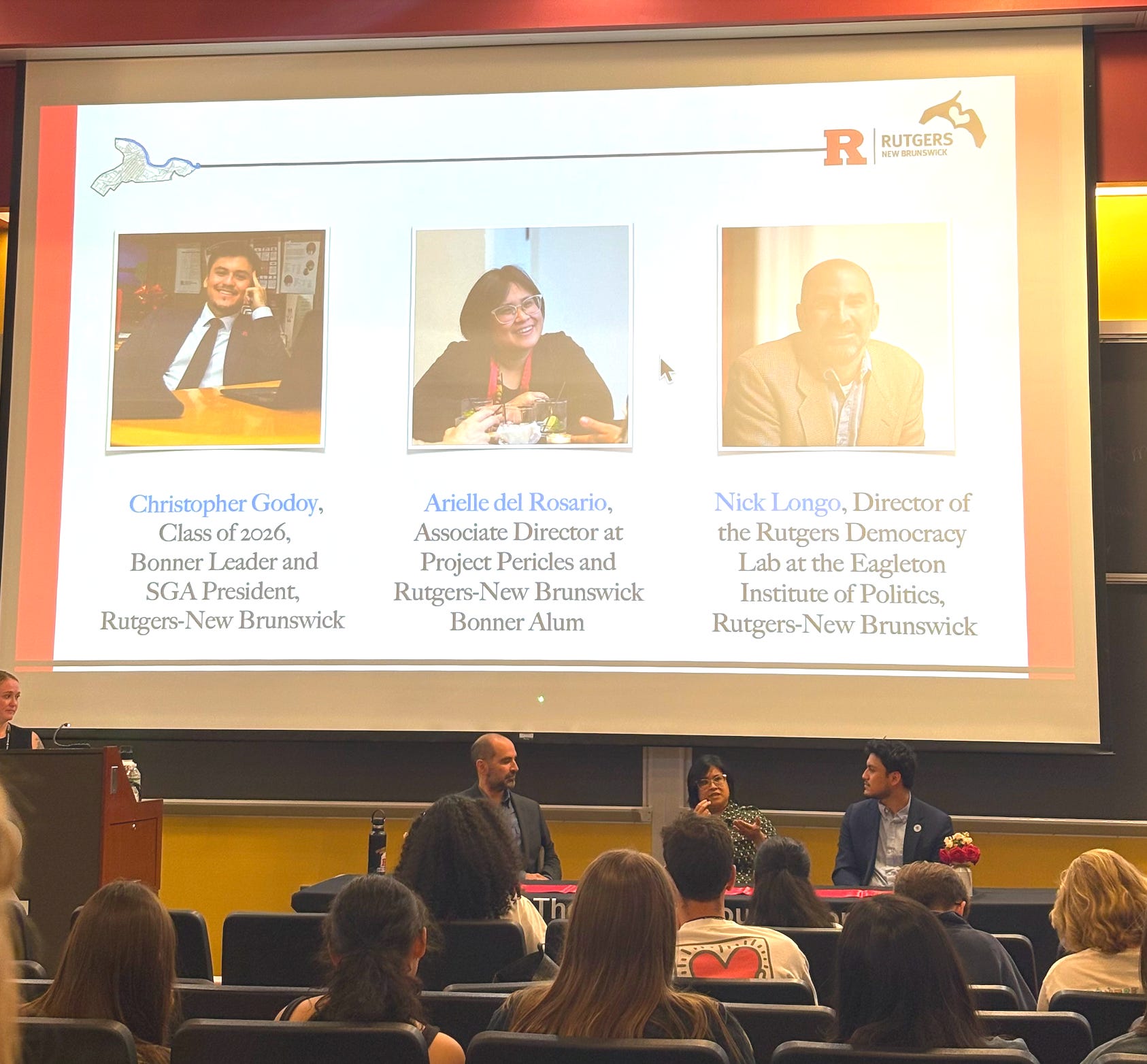
As panelists considered the state of American democracy ahead of the nation’s 250th anniversary, Arielle also emphasized the importance of active citizenship and the role that storytelling plays in civic life. They spoke about the need to elevate voices and experiences that have historically been left out of dominant narratives and encouraged participants to approach civic engagement with curiosity, openness, and a willingness to listen. Throughout the conversation, the speakers returned to a common theme: democracy is sustained through participation, dialogue, and relationships built within communities.
That focus on civic learning and institutional responsibility continued throughout the week. During a panel on the future of higher education, Project Pericles Executive Director Sanda Balaban joined Tiffiny Butler of Rutgers–New Brunswick and Carol Geary Schneider of the Civic Learning and Democracy Engagement Coalition (CLDE) to discuss the many challenges facing colleges and universities today. Moderated by Ariane Hoy of the Bonner Foundation, the panel investigated how institutions are navigating financial pressures, enrollment shifts, and changing public expectations while remaining committed to student success and public purpose.
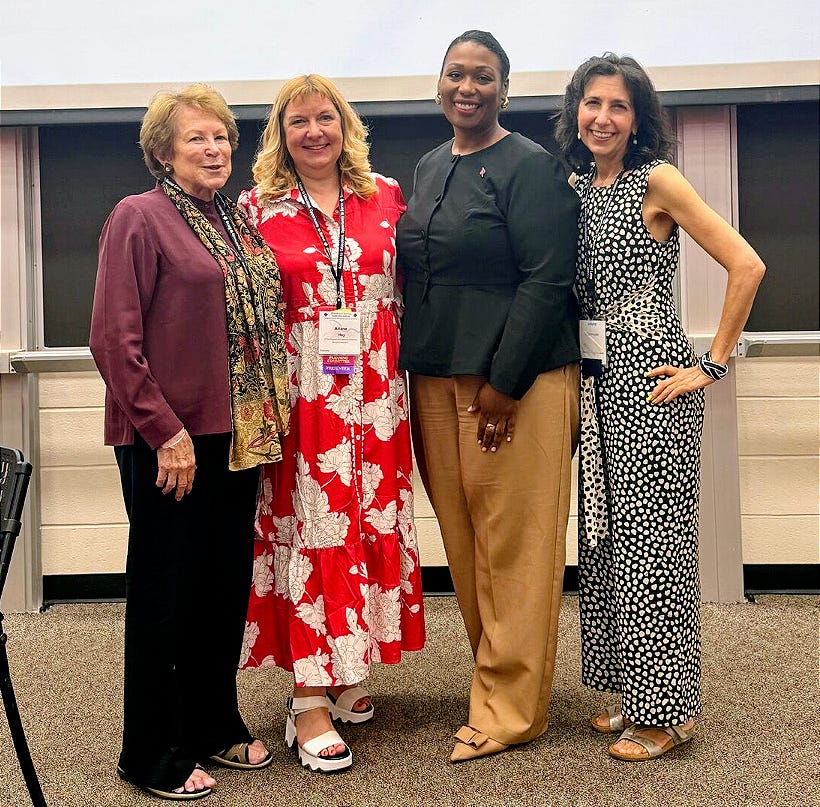
Across the discussion, panelists highlighted community engagement as a core strategy for helping institutions build trust, strengthen partnerships, foster belonging, and advance their educational missions during a period of significant change.
These questions about institutional values and responsibility also shaped a seminar led by Harry Hou, Project Pericles’ Civic Impact and Communications Coordinator. Bringing together students and administrators from institutions across the Bonner network, he led a seminar-style session focused on the opportunities and challenges presented by generative AI.
Rather than debating whether organizations should adopt AI, participants explored how they might do so responsibly. Conversations centered on trust, transparency, values alignment, and the practical realities of developing organizational policies. Working through real-world cases and their personal perspectives, participants considered how mission-driven organizations and higher education institutions can utilize emerging technologies while remaining accountable to their communities and core values.
The Institute concluded with an opportunity to look beyond present challenges and imagine possible futures. In “Imagining Civic Futures Together,” Programs and Design Specialist Maddie Wolf guided students through a series of civic imagination and design-thinking exercises focused on issues including affordable housing, educational access, and food systems.
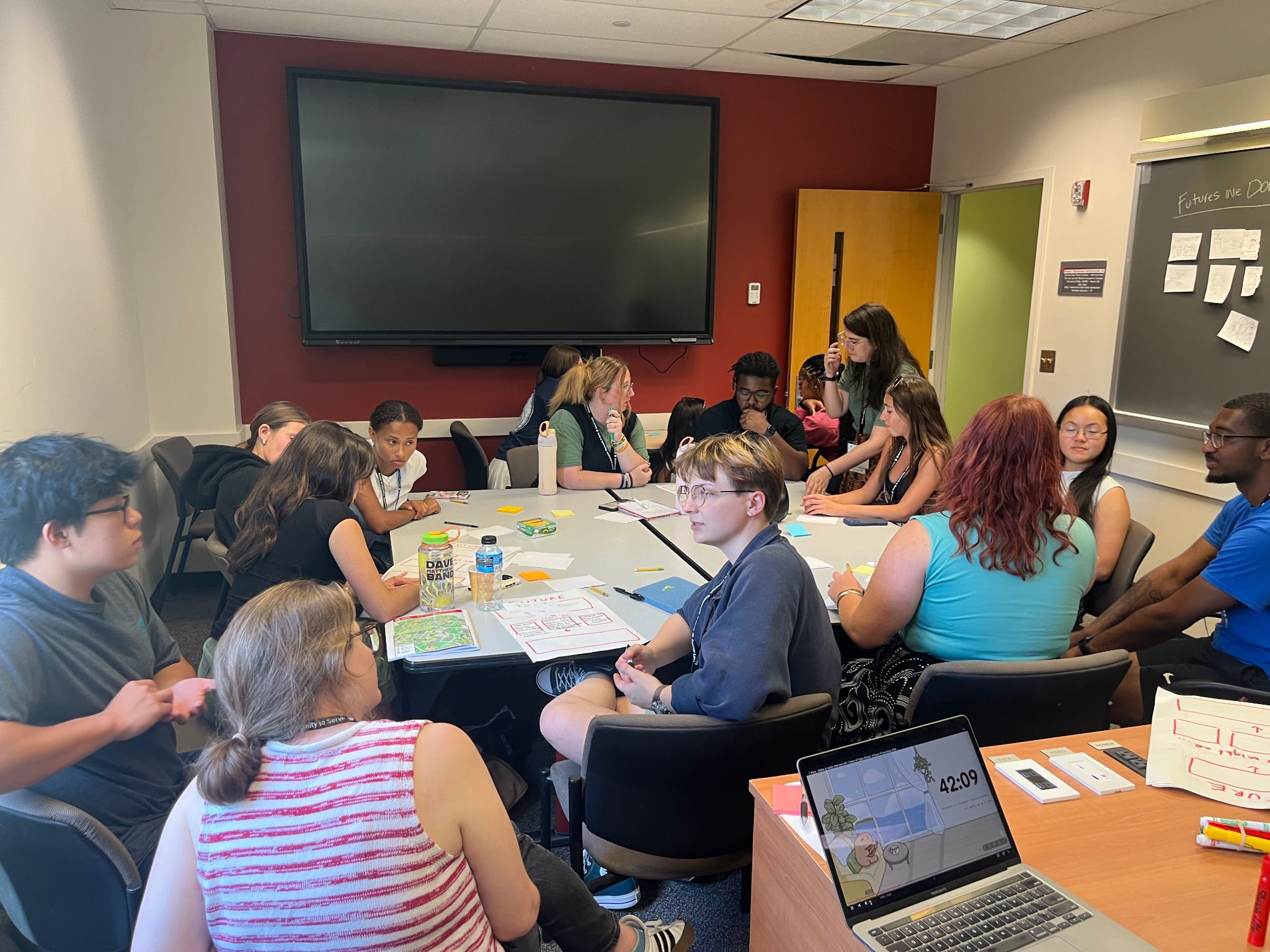
Participants examined best- and worst-case future scenarios for each of these challenges before reframing problems as opportunities and generating ideas for addressing complex social challenges. Using this approach, the workshop encouraged students to think about both the future they hope to see and the role they can play in shaping it.
Together, these conversations, panels, and workshops reflected a common thread that served as our main takeaway from the Institute: civic leadership requires both critical reflection and collective action.
Periclean Thought Leadership
New America: “Engagement in a Civic Education Desert”
Emily Stacey, Civic Engagement Mini-Grantee (Rose State College)
Rose State College political science professor and Project Pericles Mini-Grantee Emily Stacey was recently featured by New America for her work in building a culture of civic engagement in what she calls a “civic education desert.” She mentioned Project Pericles as a contributor to advancing civil discourse, voter participation, and community-centered democratic learning both on and off campus.
Design Research Society: “Participatory place-shaping through collaborative storytelling”
Danielle Lake, Periclean Faculty Leader (Elon University)
Danielle Lake recently published a paper about how participatory storytelling, oral histories, and place-based design can bridge social divides, amplify marginalized voices, and reshape local power structures through collaborative community engagement.
Oregon Artswatch: “Strike up the band, part 2: The Everything Under the Sun Parade gets ready to romp”
Catherine (Kate) Ming T’ien Duffly, Periclean Faculty Leader (Reed College)
Reed College theater professor Kate Ming T’ien Duffly was recently featured for using the Everything Under the Sun Parade to turn joyful public celebration into a form of community activism, inviting Portlanders to create, connect, and collectively imagine the world they want to build.
KYMN: College on the Radio
Alison Byerly, President (Carleton College)
Carleton President Alison Byerly was a featured guest for an episode of KYMN’s series, College on the Radio. She talked with host Joe Moravchik about her teaching experience, the biggest challenges facing higher education today, and the importance of the liberal arts.
What Staff are Reading
Sanda (Executive Director) is reading Katabasis by R.F. Kuang, a dark academia novel following two doctoral students who travel to Hell to rescue their thesis advisor and salvage their academic careers. This satire of the lengths people will go to for academic preservation is Sanda’s brand of beach read.
Arielle (Associate Director) is on a long-service leave this month and is listening to Thank you for Listening by Julia Whelan, a funny, frothy romance audiobook that explores the challenges of gaining self-acceptance and overcoming generational trauma.
Harry (Civic Impact and Communications Coordinator) is reading Jonathan Rosen’s The Best Minds, a memoir about friendship, illness, and hope.
Maddie (Programs and Design Specialist) is reading The Veiled Prophet: Secret Societies, White Supremacy, and the Struggle for St. Louis by Devin Thomas O’Shea, a history of a secretive St. Louis society and its ties to the city’s politics.
Jason (Civic Impact Assistant) is reading A Short Stay in Hell by Steven Peck, a psychological horror novella that portrays humanity’s inability to conceive of infinity by depicting hell as Jorge Luis Borge’s infamous Library of Babel.
Terry (Summer Intern) is reading When Breath Becomes Air by Paul Kalanithi, a posthumous autobiography of a neurosurgeon diagnosed with brain cancer, whose illness reshapes how he thinks about ambition and what actually matters.
Reyhan (Summer Intern) is reading “The Capital Is a Mess” in The Atlantic, an article detailing the extensive work being done to restore an unusually poorly kept White House to its former glory.